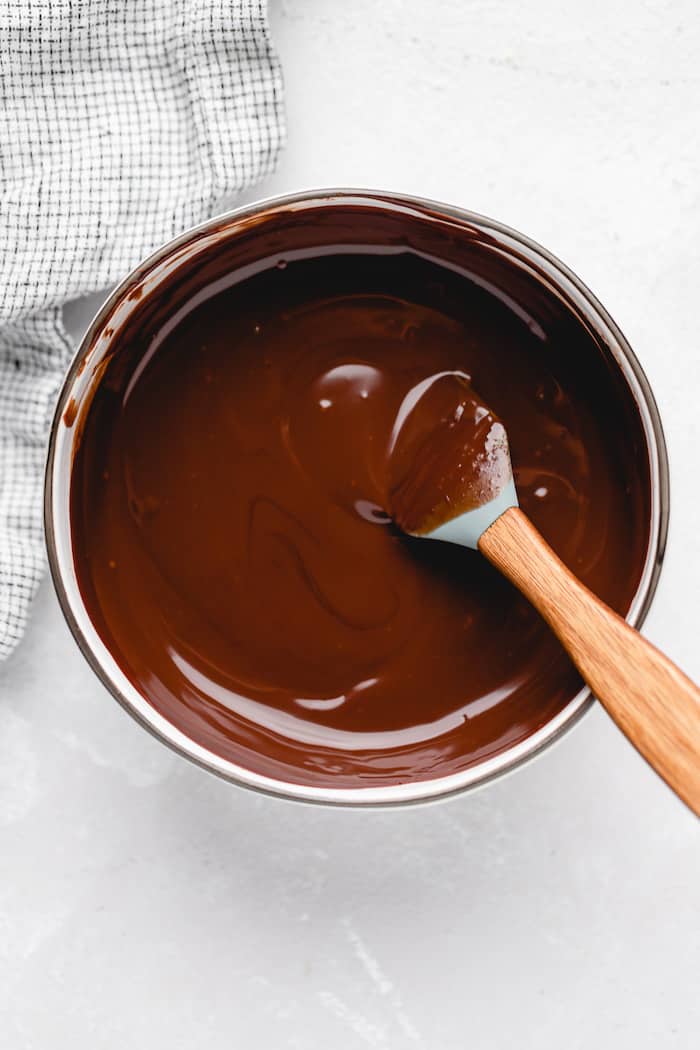
Silky Chocolate Ganache in Minutes: Your Easy 2-Ingredient Guide
Imagine a luxurious, glossy chocolate creation that comes together with astonishing ease, transforming simple chocolate and cream into a masterpiece. This isn't a dream; it's the reality of a perfect
ganache recipe. For anyone who's ever felt intimidated by elaborate desserts or simply craves indulgence without the fuss, this guide is your new best friend. You’re about to discover how to create a silky smooth chocolate ganache that’s ready in minutes, perfect for glazing cakes, frosting cupcakes, or crafting exquisite truffles – all with just two humble ingredients. Forget store-bought frostings; homemade decadence is just a whisk away.
What Exactly *Is* Ganache, Anyway? A Sweet History
Before we dive into the creation, let's appreciate the elegant simplicity of what ganache truly is. At its core, chocolate ganache is a versatile emulsification of chocolate and warm cream, forming a rich, smooth, and stable mixture. Depending on the ratio of chocolate to cream and its temperature, it can serve as a shimmering glaze, a velvety frosting, a decadent filling, or a luxurious sauce.
The origin of this culinary marvel is quite charming, reportedly dating back to 1869 Paris. Legend has it that a young apprentice in a confectioner's shop accidentally poured hot milk into a bowl of chocolate chips. His master, Paul Siraudin (a confectioner and playwright), initially scolded him, exclaiming "Ganache!" – a French slang term for "idiot" or "dolt." However, upon tasting the fortuitous mistake, Siraudin quickly realized its potential, embraced the accident, and named the exquisite new confection after his initial outburst, or possibly after a popular Vaudevillian comedy of the time, _Les Ganaches_. From an accidental "idiot" to an indispensable staple in pastry kitchens worldwide, the
ganache recipe has certainly come a long way!
The Magic Duo: Unveiling the 2 Essential Ingredients for Your Ganache Recipe
The beauty of a classic
ganache recipe lies in its minimalist ingredient list. While some recipes might introduce optional additions, the heart of ganache relies solely on two fundamental components. Understanding these and making the right choices will elevate your ganache from good to utterly spectacular.
Choosing Your Chocolate: The Foundation of Flavor
The type of chocolate you select will profoundly impact the final taste and texture of your ganache.
- Semisweet or Bittersweet Chocolate: For a truly rich, complex flavor profile that isn't overly sweet, opting for high-quality semisweet or bittersweet chocolate (around 55-70% cacao) is highly recommended. These provide a deep chocolatey taste that balances beautifully with the cream.
- Avoid Milk Chocolate (Generally): While you *can* use milk chocolate, it often results in a ganache that is much sweeter and less intense in flavor, and it can be trickier to achieve a stable emulsification due to its lower cocoa solids and higher sugar content. If you prefer a sweeter ganache, it's better to start with semisweet chocolate and add a touch of granulated sugar to the warm cream.
- Quality Matters: Invest in good quality chocolate! Whether you use bars, callets, or chips, choose a brand you enjoy eating on its own. Compound chocolate (often labeled "baking chocolate" without cocoa butter) should be avoided as it contains vegetable fats that can lead to a greasy, less silky texture and an inferior flavor. For more insights on selecting the best chocolate, check out our related article: Mastering Chocolate Ganache: Essential Ingredients for Velvety Finish.
Pro Tip: Always chop your chocolate into small, uniform pieces. This ensures even melting when the hot cream is added, preventing lumps and promoting a smooth emulsion.
Heavy Cream: The Key to Velvety Smoothness
The second vital ingredient is heavy cream, sometimes called heavy whipping cream.
- Fat Content is Crucial: Heavy cream typically contains at least 36% milk fat, which is essential for creating that luxurious, velvety texture and helping the ganache emulsify properly. The fat in the cream surrounds the melted chocolate particles, preventing them from seizing and creating a smooth, stable mixture.
- Alternative (with caution): While some recipes suggest using milk with added butter, this is a compromise. The higher water content in milk makes it harder to achieve the desired richness and stability, and you risk a less predictable outcome. Stick with heavy cream for the best results.
Mastering the Silky Smooth Ganache Recipe in Minutes: Step-by-Step
The actual process of making ganache is surprisingly straightforward. No special tools are required beyond a heatproof bowl, a saucepan, and a whisk or rubber spatula.
- Prepare Your Chocolate: As mentioned, chop your chosen semisweet or bittersweet chocolate into small, even pieces. Place the chopped chocolate in a heatproof bowl.
- Heat the Cream: Pour the heavy cream into a small saucepan. Heat it over medium heat, stirring occasionally, until it just comes to a simmer. You'll see small bubbles forming around the edges, but don't let it boil vigorously. Removing it just as it's about to boil prevents scorching and ensures the cream doesn't reduce too much.
- Combine and Let Stand: Immediately pour the hot cream over the chopped chocolate in the bowl. The heat from the cream will begin to melt the chocolate. Resist the urge to stir right away! Let the mixture stand undisturbed for 5-7 minutes. This allows the residual heat to thoroughly melt the chocolate, ensuring a smooth result.
- Whisk to Emulsify: After the resting period, gently begin whisking the mixture from the center outwards. Start slowly, and as the chocolate and cream combine, you'll see a transformation. The initially separate liquid and chocolate will come together to form a glossy, homogeneous, and incredibly silky ganache. Continue whisking until absolutely no lumps remain and the mixture is perfectly smooth and shiny.
Troubleshooting Tip: If your ganache looks oily or separated (it’s “split”), don't panic! It means the emulsion has broken. Try adding a tablespoon of cold heavy cream or milk and whisking vigorously from the center out. Sometimes, a quick zap in the microwave for 10-15 seconds followed by vigorous whisking can also help bring it back together.
Beyond the Bowl: Creative Ways to Use Your Versatile Ganache
While there's absolutely nothing wrong with enjoying warm ganache straight from the bowl with a spoon (we won't tell!), its versatility truly shines in a multitude of applications. The consistency of your ganache can be adjusted by altering the chocolate-to-cream ratio:
- 1:1 Ratio (Chocolate:Cream): Thinner, perfect for a glossy glaze or a pourable sauce.
- 2:1 Ratio (Chocolate:Cream): Thicker, ideal for fillings, frostings, and truffles.
- 3:1 or 4:1 Ratio (Chocolate:Cream): Very firm, excellent for creating dense truffles or firm fillings.
Here are some popular ways to utilize your freshly made
ganache recipe:
- As a Glaze for Cakes and Pastries: For a beautiful, professional-looking finish, allow your ganache to cool slightly until it's still pourable but not piping hot. Pour it over a cooled cake, starting from the center and letting it naturally drip down the sides. Spread gently with an offset spatula if needed.
- A Decadent Frosting: Let the ganache cool completely at room temperature or in the refrigerator until it thickens to a spreadable consistency (similar to peanut butter). For an extra light and fluffy frosting, whip the cooled ganache with an electric mixer until it’s lightened in color and airy. This makes a fantastic piping frosting for cupcakes or a fluffy filling for layer cakes.
- Homemade Chocolate Truffles: Once the ganache is fully set and firm in the refrigerator (this can take a few hours), scoop small portions (a melon baller or small cookie scoop works great) and quickly roll them into balls. For extra flair, roll these truffles in cocoa powder, finely chopped nuts, shredded coconut, or even dip them in tempered chocolate for a double-chocolate delight. Chill again until completely firm.
- Filling for Tarts, Pies, and Cupcakes: A slightly thickened ganache makes an exquisite filling. It can be piped into cupcakes after coring, spread into tart shells, or layered between cake sponges.
- Rich Hot Chocolate Base: Whisk a spoonful or two of warm ganache into hot milk for an unbelievably rich and creamy homemade hot chocolate.
To explore even more innovative uses for your silky creation, delve into our companion article:
Beyond Glaze: Creative Uses for Your Chocolate Ganache Recipe.
Pro Tips for the Perfect Ganache Recipe Every Time
Achieving consistently perfect ganache requires a little finesse, but these tips will set you up for success:
- Mind Your Ratios: As discussed, adjusting your chocolate-to-cream ratio is key to different consistencies. A 1:1 ratio (by weight) creates a thin glaze, 2:1 is perfect for a spreadable frosting, and 2.5-3:1 is ideal for firm truffles.
- Temperature Control is Key: Ensure your cream is hot enough to melt the chocolate but not boiling aggressively. When using ganache, ensure it's at the right temperature for its intended use – warm for pouring, cool for whipping.
- Patience with Stirring: Don't rush the initial rest period after pouring the cream over the chocolate. And when you do start stirring, do so gently and steadily to encourage emulsification without incorporating too much air, which can make the ganache dull.
- Add Optional Flavorings: While a classic ganache recipe is divine on its own, you can elevate it with optional additions. A splash of dark rum, brandy, or your favorite liqueur adds a sophisticated depth. A teaspoon of vanilla extract, a pinch of sea salt (which beautifully enhances chocolate flavor), or a dash of espresso powder can also work wonders.
- Storage: If you're not using your ganache immediately, cool it completely, then transfer it to an airtight container. It can be refrigerated for up to a week. Before using, allow it to come to room temperature on the counter until it's pliable. You can gently rewarm it in a microwave (short bursts, stirring often) or over a double boiler if you need it pourable again.
Conclusion
From an accidental culinary discovery to a cherished dessert staple, the chocolate
ganache recipe is a testament to the magic that can be created with minimal ingredients and simple techniques. No longer a secret of professional patissiers, this easy two-ingredient guide empowers anyone to whip up a batch of glossy, rich, and utterly luxurious chocolate ganache in mere minutes. Whether you’re glazing a special occasion cake, piping delicate cupcake swirls, or rolling decadent truffles, this versatile confection is sure to impress. So go ahead, gather your chocolate and cream, and prepare to embark on a delicious journey into the world of silky smooth perfection. Your taste buds (and your guests) will thank you!